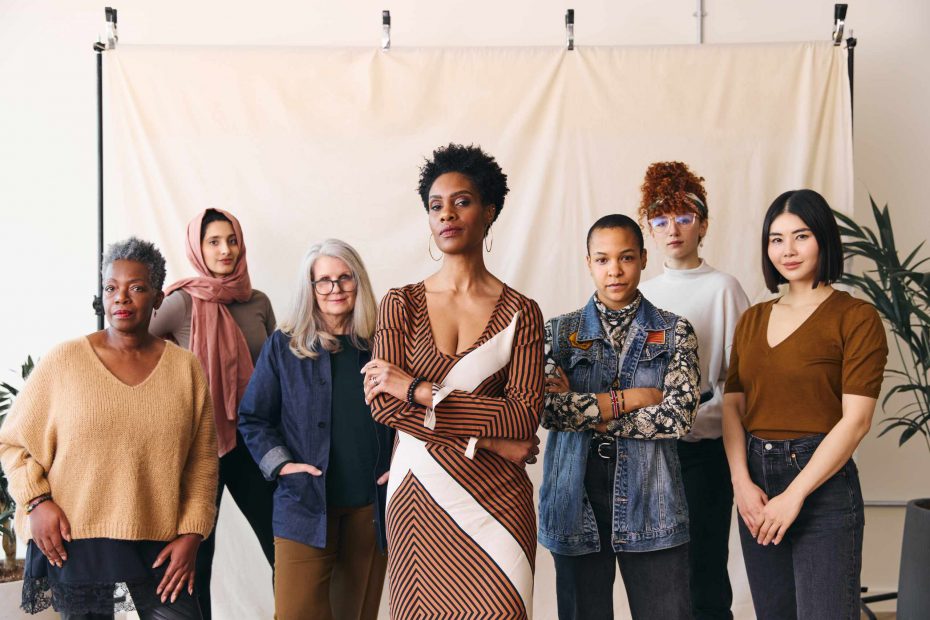
A color palette is not an edict that you should only ever wear a select number of colors. It is simply a tool to reduce choices. It is often hard to tell which clothes go with others because we are used to the chaos of a full closet. A smaller color palette calms the eye so we can focus on fit, layers, accessories, and the event.
To build a simple palette, start with one color as a base. That is, a neutral base color. This can be black, navy, gray, beige, brown, cream, blue denim, or whatever you wear the most often. It doesn’t have to be simple or neutral in itself, but it is the foundation of your outfit, and other colors will have somewhere to land on that. It doesn’t have to be a skirt or a top. It can be a pair of trousers, a skirt, a coat, a cardigan, a pair of shoes, or a bag, since those pieces have enough space that they influence the overall look.
You may then choose one main color to add. This color will add interest to the outfit without making it too busy, and might consist of a light blue shirt, a rust-colored sweater, an olive-colored jacket, a burgundy skirt, or a light pink top. You don’t want to choose a color that can only work with one particular item in your wardrobe, even if the item looks great on its own, as you’ll want to be able to wear that color again.
Accent color can be small and specific. It may only show up in the scarf, belt, shoes, bag, earrings, a printed detail of the garment, or something subtle in the form of a thin layer. Sometimes beginners try to pack several interesting colors into that space, but this makes it harder to tell what the main focal point is. Sometimes only one accent is enough. If the outfit has a lot of contrast, or a really noticeable print, or very dramatic shoes, then the accent can stay very quiet to keep the outfit from competing with itself.
Before you do any shopping, try this out with items you already own. Select a neutral bottom item, top in main color, and an accent in a smaller, visible part of your outfit, such as your shoes or a bag. Try it on, then check yourself out in a full-length mirror or on a cell phone camera and see where your eye lands. If you’re comfortable and satisfied with that look for that event, then it’s working. If your eyes keep jumping around to the shirt and shoes and bag and necklace and print, cut out one color detail and check again.
Color affects the illusion of proportion. Lighter on top with darker bottoms emphasizes the upper body, while darker outer garments over lighter clothes create a heavier, darker shape around the edges. Shoes with a lot of color contrast can make your legs look longer or shorter, depending on the length and shape of the hemline and skirt. This isn’t necessarily good or bad, it’s just one of many factors that can come into play with proportion, weight, and the way an outfit is read.
A simple goal is to be able to articulate why a particular combination of color is working for you, rather than simply saying that “it looks nice”. A cream-colored cardigan softens a black dress. A tan pair of shoes makes blue jeans feel less heavy. A green scarf is a perfect pop of accent in a navy color combination. Write these down as tips you can use the next time you get dressed.
Your color palette should be an aid to your wardrobe, not a prison of your own creation. Start with a base neutral, add a main color, and test one accent color. You’ll notice the difference it makes as you get dressed and check your reflection in the mirror, or your photo on your phone. Then, when you get comfortable with the basic color scheme, you can start adding layers, contrasting shades, print scales, and accessory combinations more confidently. Your closet gets much easier if you choose your colors to compliment each other, instead of trying to force your outfit to look good.